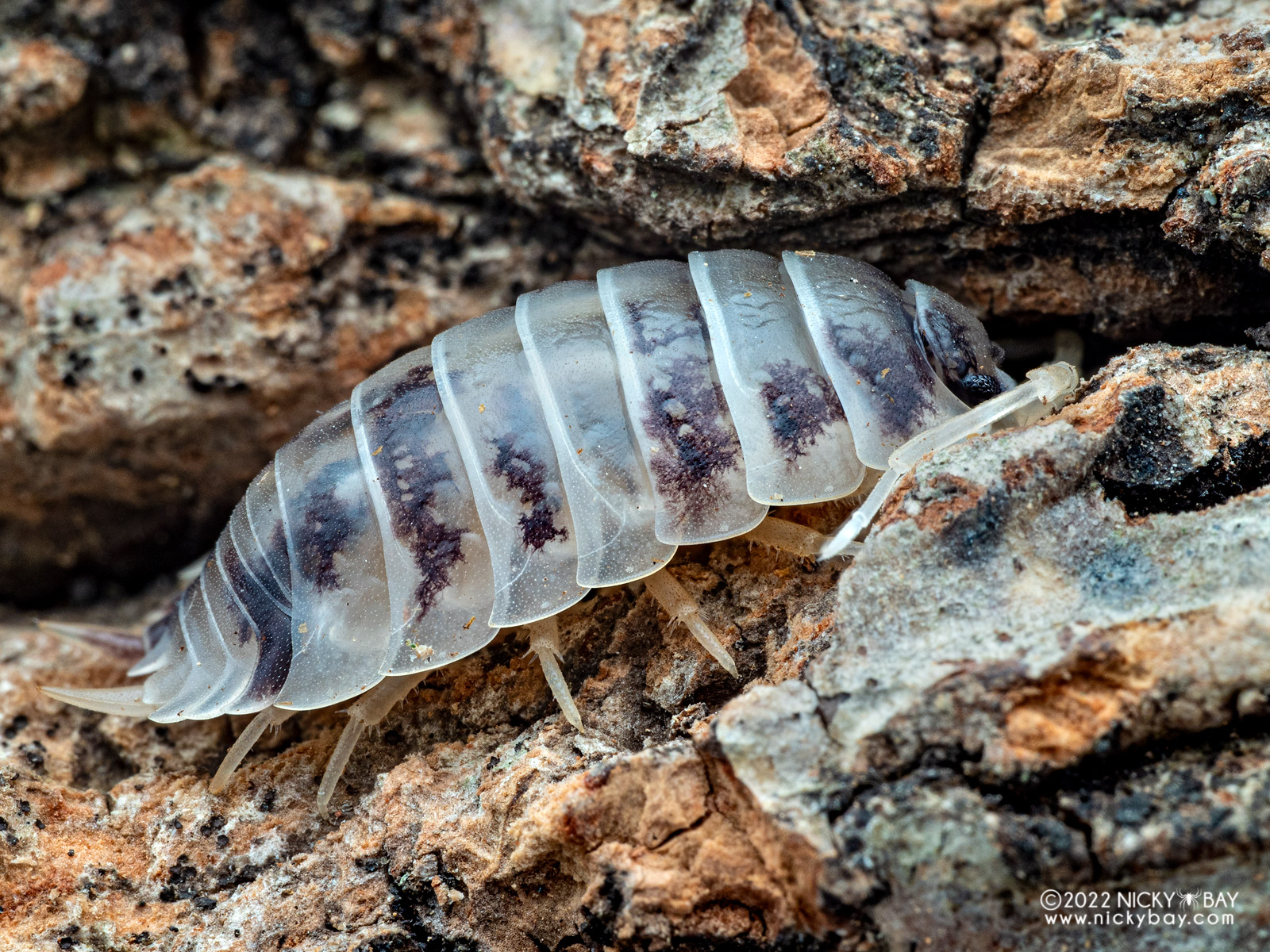
Porcellionides
BeginnerPorcellionides pruinosus
Porcellionides pruinosus
Care signal: Fast-moving parent species
View species profile
Field guides for living soil
Clear species profiles and practical care notes for keepers creating healthy colonies and balanced bioactive enclosures.
Field notes 01
Compare nine sourced profiles, including accepted parent species, hobby morphs, and uncertain trade designations.
Browse the full directoryPorcellionides
BeginnerPorcellionides pruinosus
Care signal: Fast-moving parent species
Armadillidium
BeginnerArmadillidium vulgare
Care signal: Moist shelter with choice
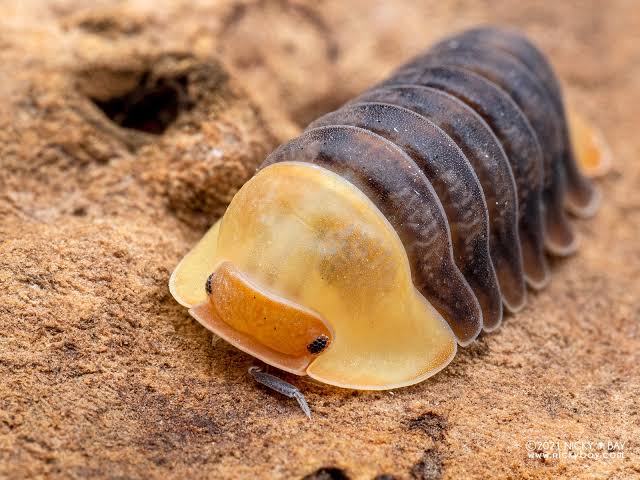
Cubaris
AdvancedCubaris sp. "Rubber Ducky"
Care signal: Stable moisture gradient
Porcellio
BeginnerPorcellio laevis "Dairy Cow" (trade identification)
Care signal: Monitor food and colony growth
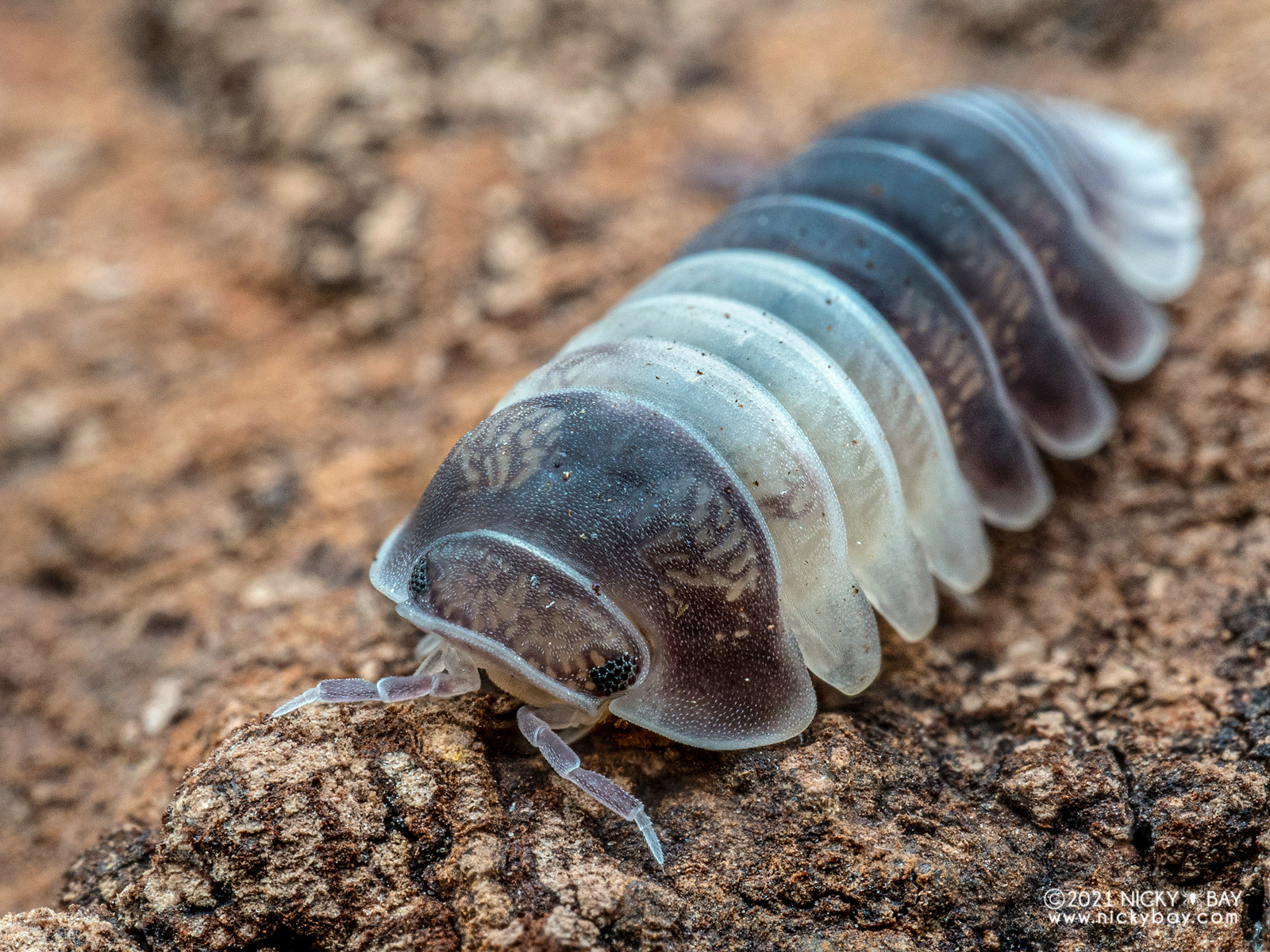
Porcellionides
BeginnerPorcellionides pruinosus "Powder Blue"
Care signal: Keep a damp retreat
Porcellionides
BeginnerPorcellionides pruinosus "Powder Orange"
Care signal: Keep a damp retreat
Armadillidium
IntermediateArmadillidium maculatum
Care signal: Damp retreat with drier areas
Armadillidium
BeginnerArmadillidium vulgare "Magic Potion"
Care signal: Keep trade lines documented
Cubaris
IntermediateCubaris sp. "Panda King"
Care signal: Covered, moist refuge
Taxonomy shelf
Use genus-level groups to compare broad body forms and care tendencies before choosing a species.
Beginner pathway
A dependable colony starts with the enclosure fundamentals. Work through these topics in any order.
Visit the care libraryFallen leaves on a woodland floor in Guelph, Ontario.
Photo by Ryan Hodnett · CC BY-SA 4.0 · Resized / WebP; preview cropped.
An established planted terrarium, photographed six months after planting.
Photo by Burkhard Mücke · CC BY-SA 4.0 · Resized / WebP; preview cropped.
A planted bioactive vivarium built for golden poison frogs (Phyllobates terribilis).
Photo by Connor Long · CC BY-SA 4.0 · Resized / WebP; preview cropped.
Leaf litter and compost outdoors: a view of surface cover and organic material.
Photo by Cunnaz · CC BY-SA 4.0 · Resized / WebP; preview cropped.
Folsomia candida photographed on soil; identification supplied by the photographer.
Photo by AJC1 · CC BY-SA 2.0 · Resized / WebP.
The microscopic crew
Springtails graze on fungi and decaying material in moist habitats. Learn how they complement isopods and how to keep a starter culture ready for new enclosures.
Explore springtail guidesBuild a living system
Connect substrate, leaf litter, plants, microbes, springtails, and isopods into an enclosure that cycles organic material instead of merely hiding it.
Learn the bioactive basicsA planted bioactive vivarium built for golden poison frogs (Phyllobates terribilis).
Photo by Connor Long · CC BY-SA 4.0 · Resized / WebP.
Reading desk
Three concise foundations connect species choice, daily care, and enclosure ecology.
A practical feeding framework for a balanced captive colony.
Meet the tiny decomposers that help manage fungi and waste.
Understand the living layers behind a stable planted enclosure.